

Preschool & Kindergarten (Casa)
Casa builds on children’s early independence through increasingly complex Montessori work in Practical Life, Sensorial, Language, Mathematics, and Cultural Studies. Children ages three to five deepen their concentration, confidence, and curiosity in a collaborative classroom.
Introduction
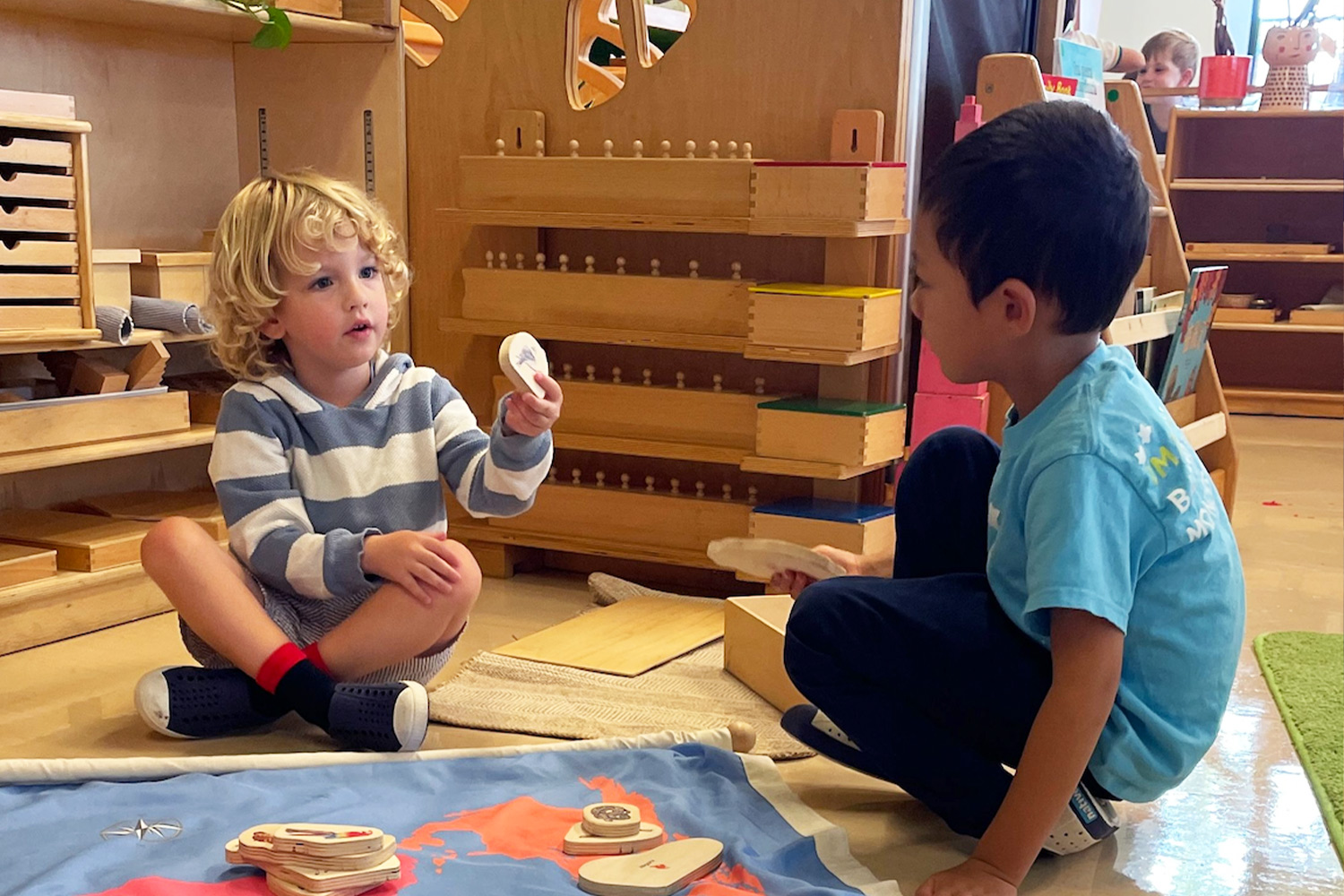
Casa brings children ages three to five together in a mixed-age classroom, a central pillar of Montessori education. Within this community, younger children learn by observing older classmates, while older children build confidence and leadership by modeling skills, offering help, and sharing what they know.
Casa is a time of expanding curiosity, independence, and engagement with the world around them. Battery Park Montessori creates a calm, thoughtfully prepared environment where children feel known, capable, and excited to take on new challenges. Teachers follow each child’s development closely, introducing lessons and materials when the child is ready.
Trilingual Immersion
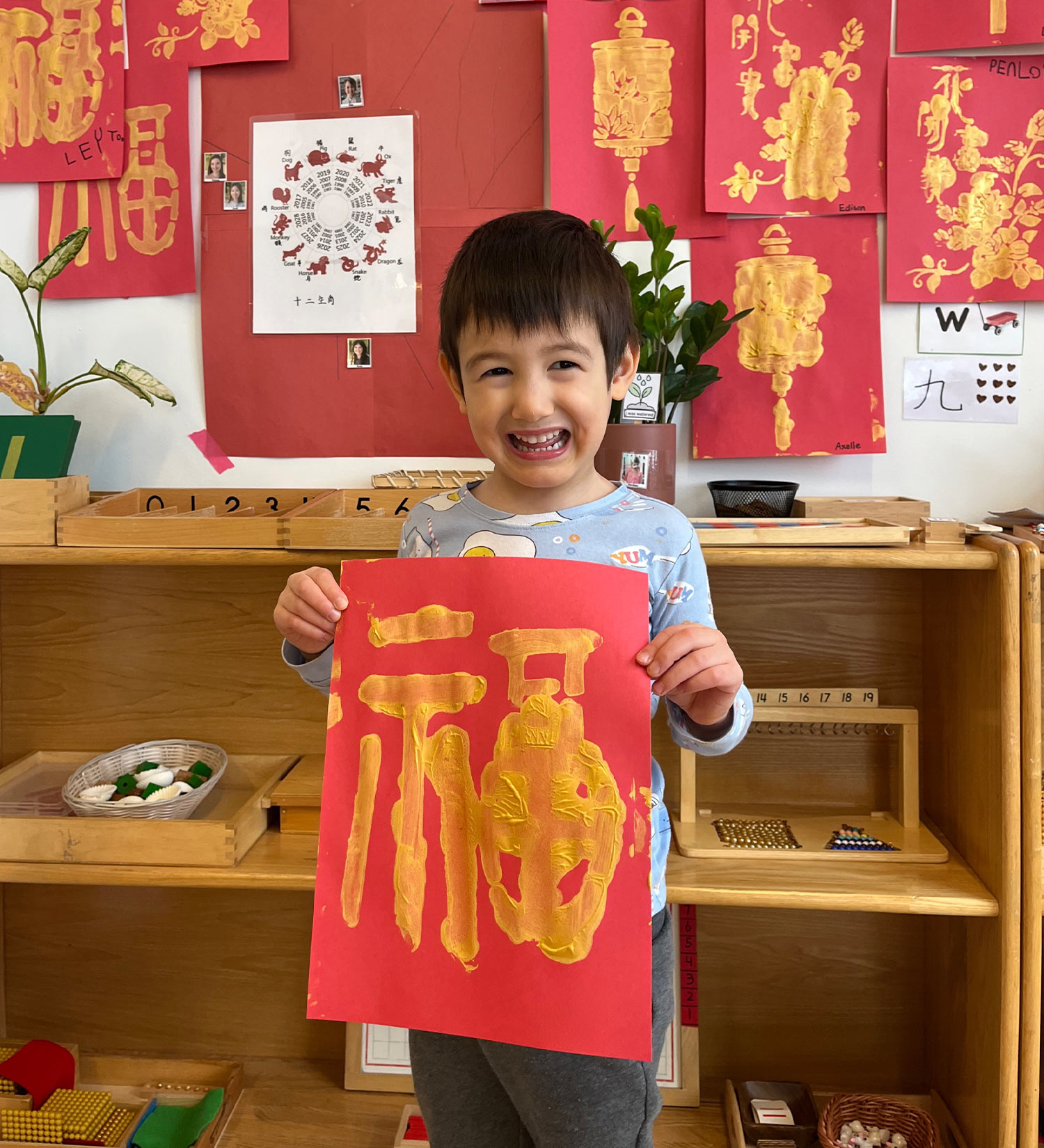
English, Mandarin, and Spanish are woven into the Casa experience through lessons, conversation, stories, songs, routines, and classroom interactions. Children connect language with meaningful experiences throughout the day, strengthening comprehension, vocabulary, and confidence in communicating.
Consistent exposure allows children to build on their existing language foundations while developing a natural familiarity with how each language sounds and is used. The emphasis remains on understanding, participation, and a genuine enjoyment of language learning.
Our Montessori Approach
Montessori education gives Casa children the freedom to pursue their interests within a carefully prepared and purposeful environment. Teachers present lessons individually and in small groups, then give children uninterrupted time to choose their work, repeat it, solve problems, and progress toward increasingly complex activities at their own pace.
The materials are hands-on and sequential, allowing children to see and experience ideas before moving toward greater abstraction. For example, one Casa student chose ingredients, measured and cut them, and mixed them together to make banana bread. This purposeful sequence strengthened independence, concentration, coordination, and the ability to follow a process from beginning to end.
Five Areas of Montessori Learning
The Casa curriculum is organized across five interconnected areas. Each supports specific skills while helping children develop concentration, coordination, independence, and an understanding of how ideas relate to one another.
Practical Life
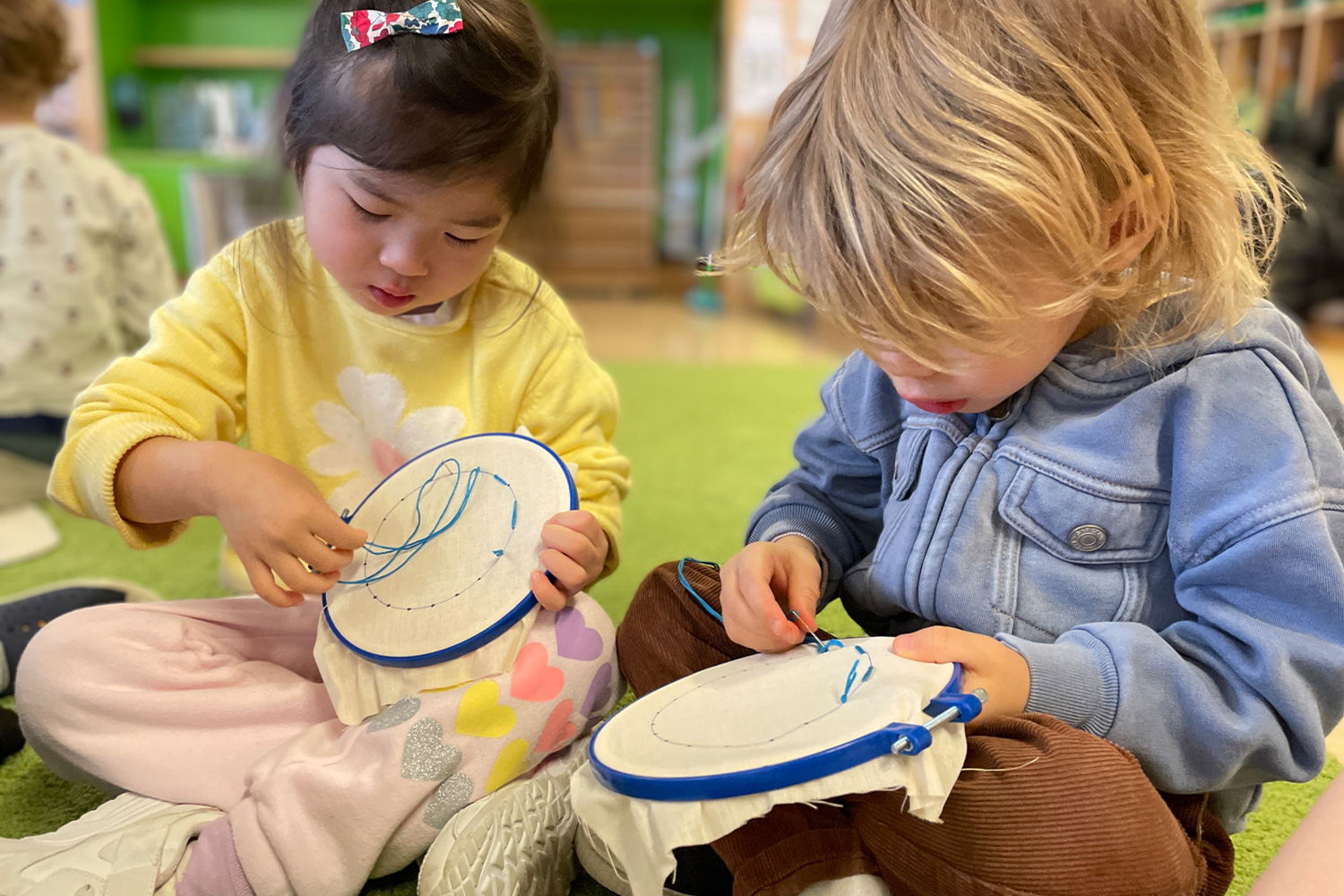
Children complete purposeful, increasingly detailed tasks such as food preparation and caring for themselves, their belongings, and the classroom. These experiences strengthen coordination, concentration, order, responsibility, and independence.
Sensorial
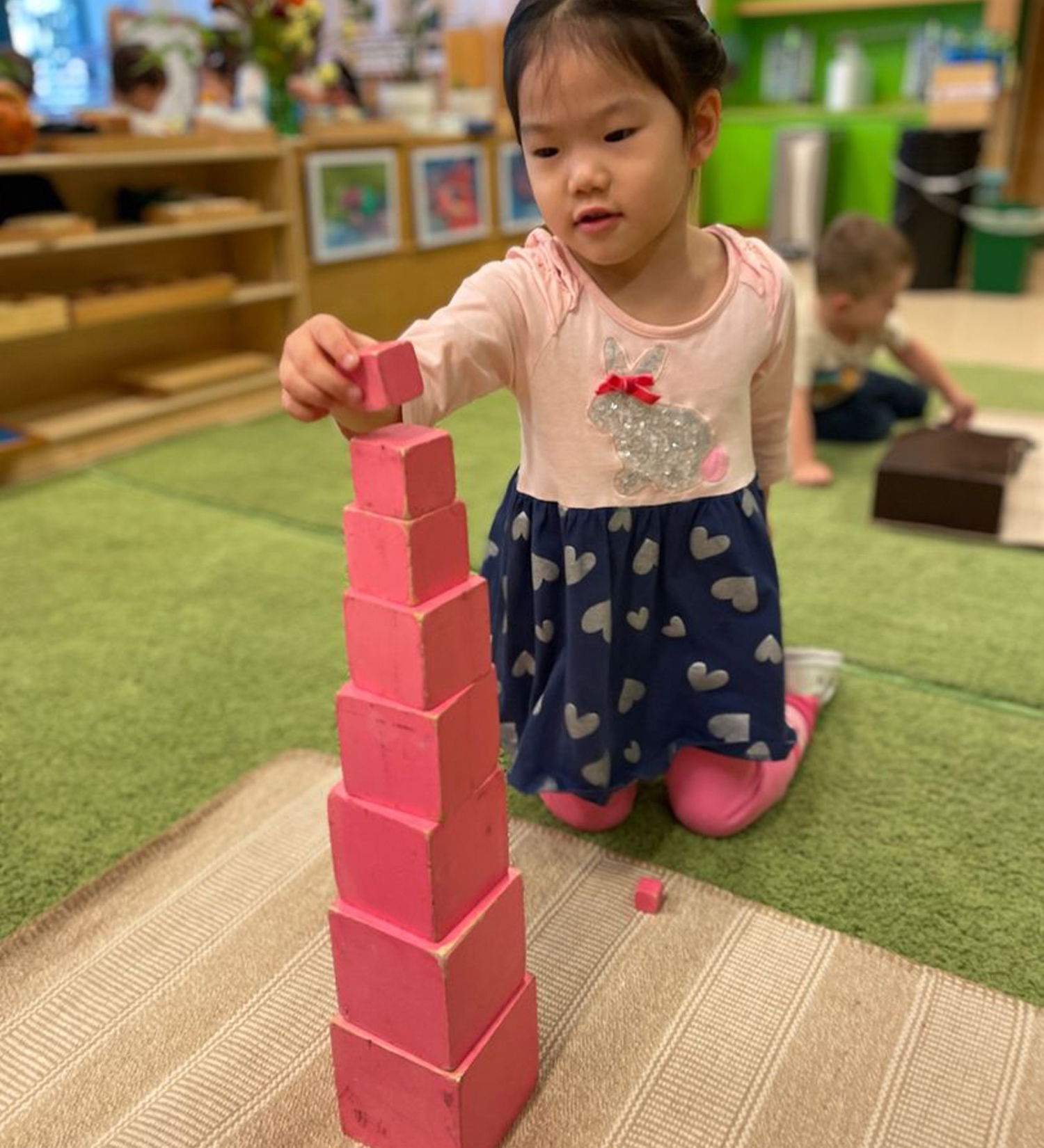
Specially designed materials help children notice, compare, classify, and describe qualities such as size, shape, color, texture, sound, and weight. This precise exploration strengthens observation and creates a foundation for later work in mathematics, language, and science.
Language
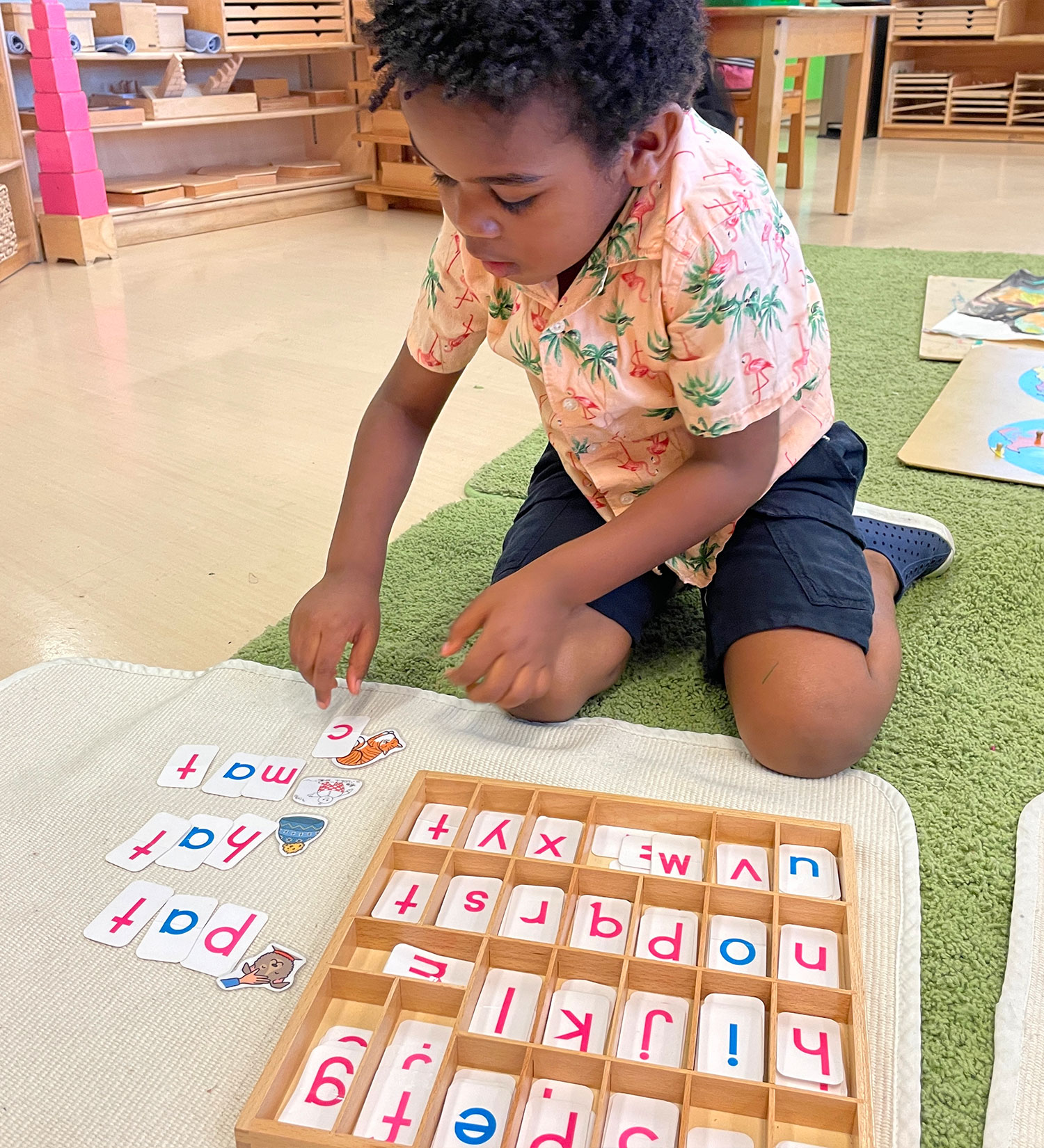
Children expand their vocabulary and oral expression while exploring sounds, letters, writing, and reading through hands-on materials and individualized lessons. Each child progresses from spoken language toward written language at a developmentally appropriate pace.
Mathematics
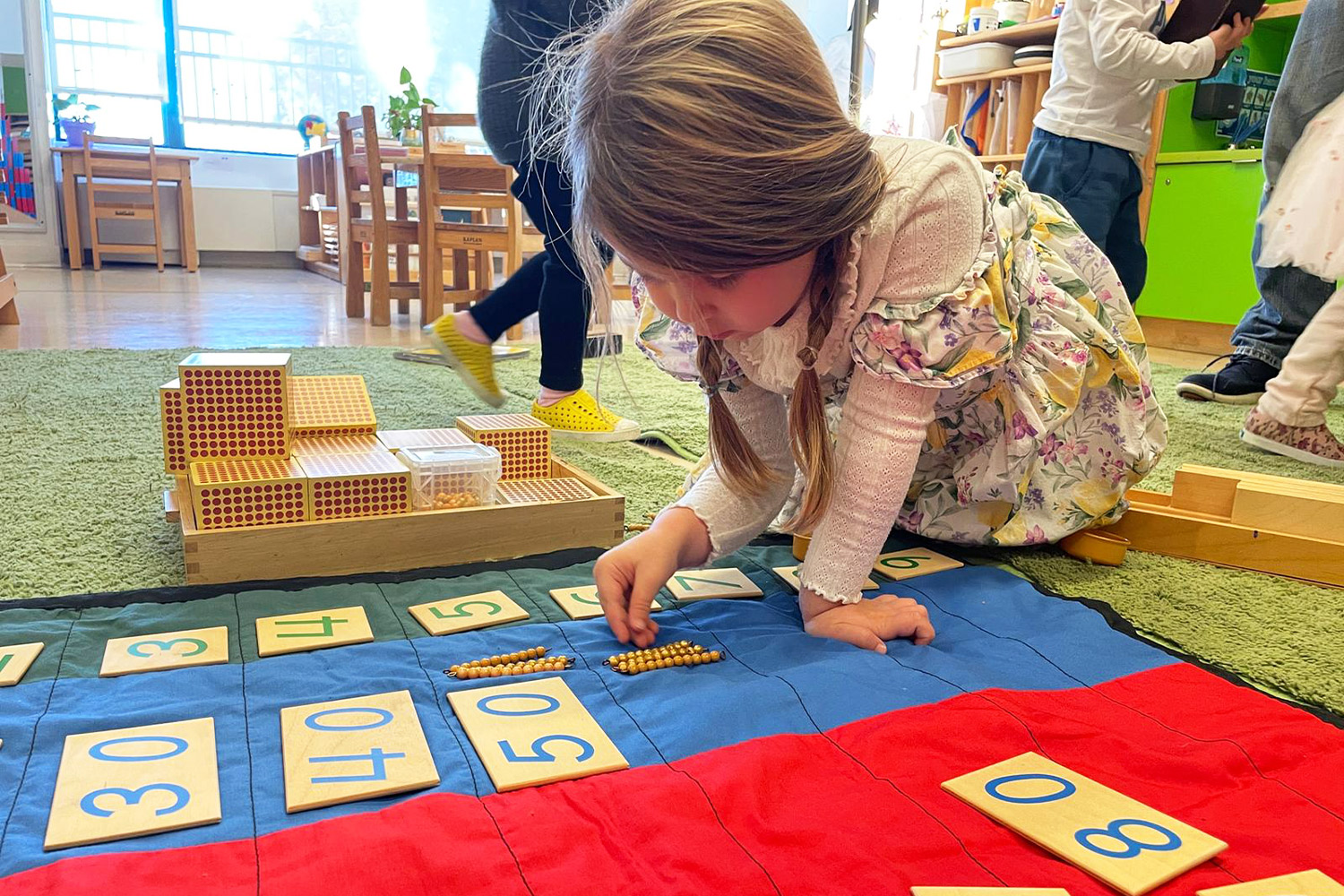
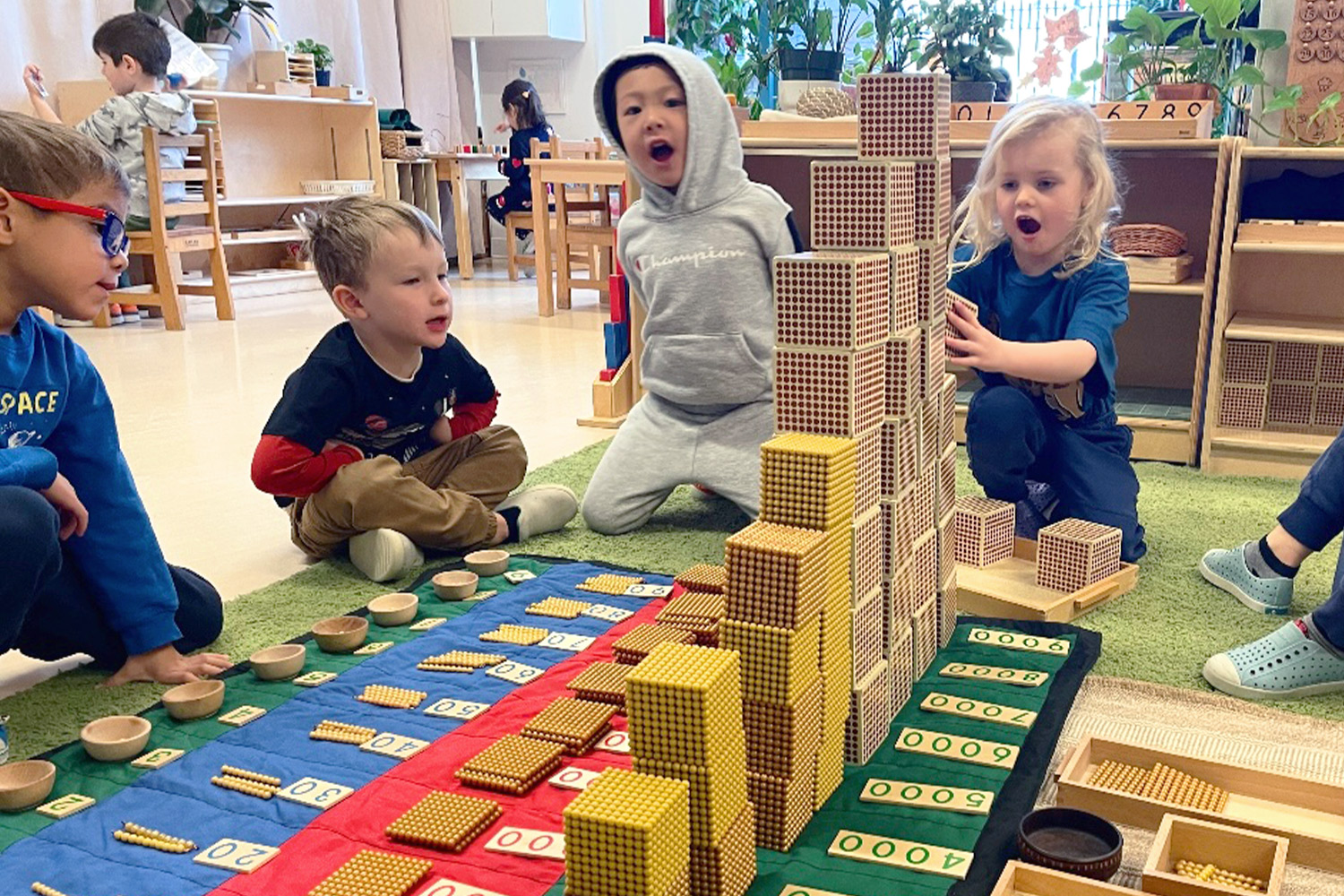
Concrete materials allow children to explore quantity, numerals, counting, patterns, and mathematical relationships in a visible, hands-on way. As their understanding develops, children progress toward increasingly abstract mathematical thinking.
Cultural Studies
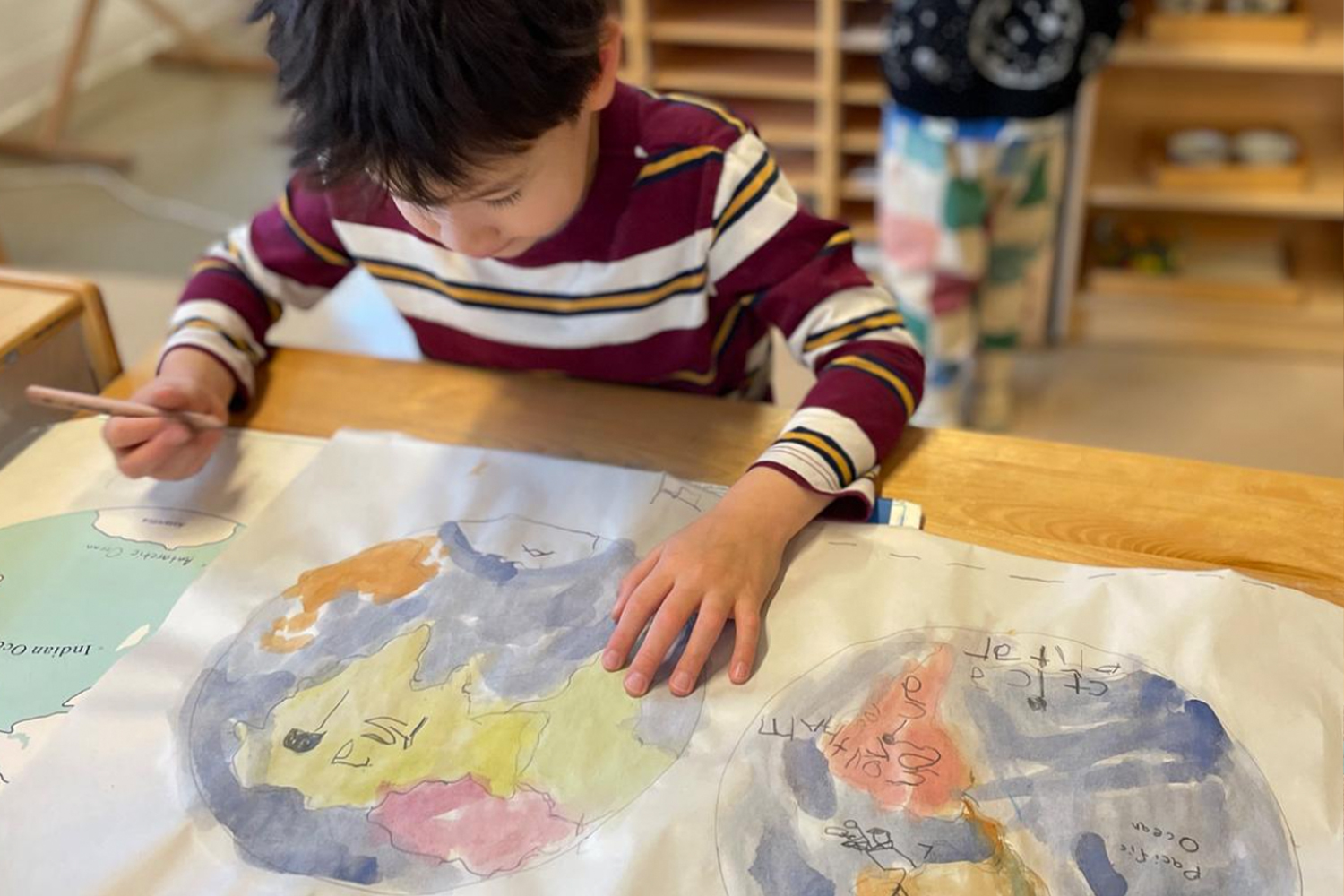
Through explorations of geography, science, nature, history, art, and music, children develop a broader understanding of the natural world and the many ways people live. These studies encourage observation, inquiry, connection, and respect for the world around them.
Social-Emotional Learning
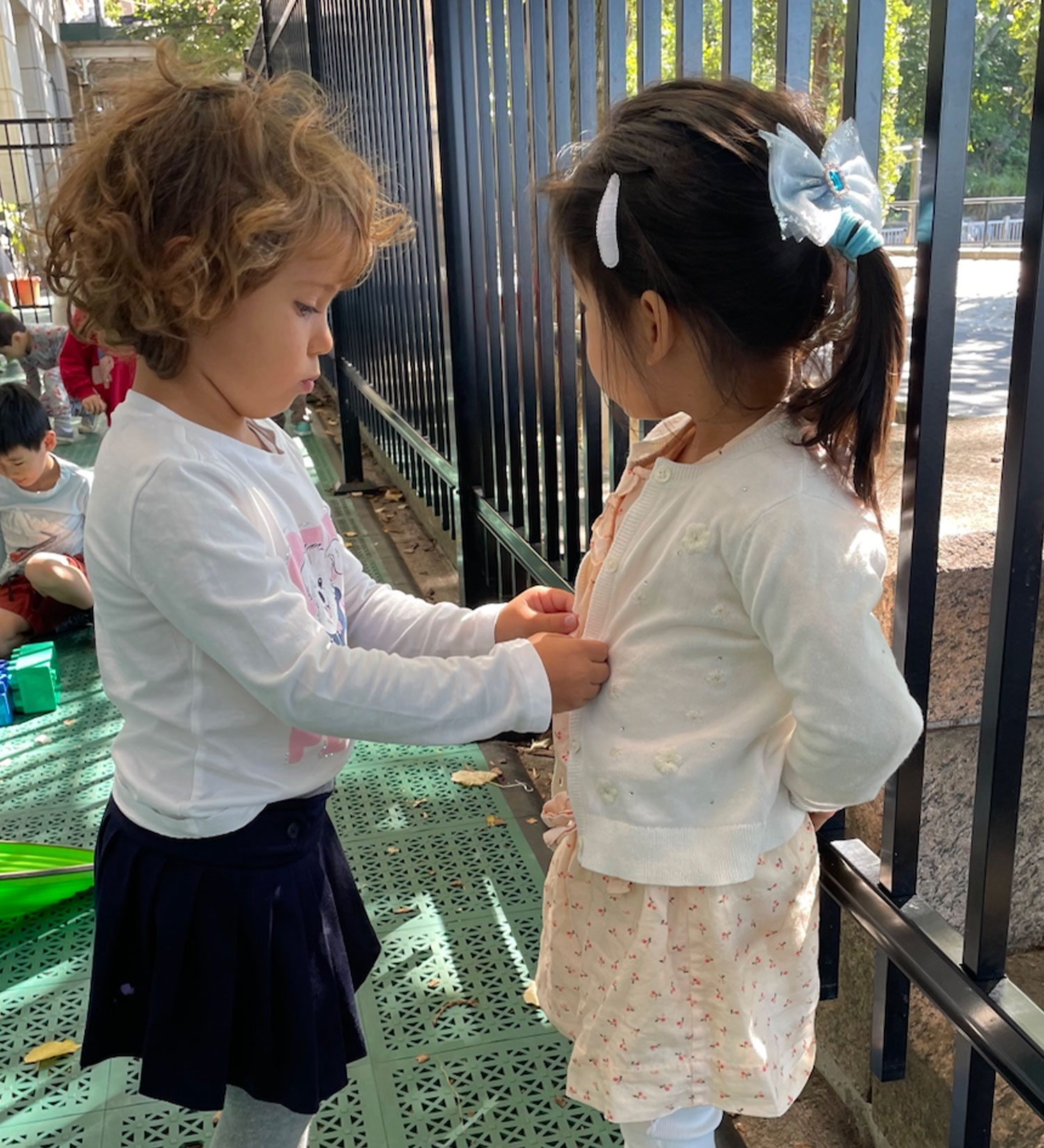
Between ages three and five, children become increasingly aware of friendship, fairness, responsibility, and their role within a group. They practice expressing ideas and needs, listening to others, solving problems, taking turns, collaborating, and caring for their shared environment. Teachers guide these experiences through Grace and Courtesy lessons, respectful language, and consistent modeling.
The mixed-age Casa classroom also creates natural opportunities for peer learning and leadership. Younger children observe older classmates completing familiar routines, using materials with care, and contributing to the classroom. As children grow, they become the models, helping younger classmates and developing patience, empathy, confidence, and a meaningful sense of responsibility.
Sample Schedule
Each day balances active learning, social interaction, and quiet reflection. Children move through free play and the daily work cycle, circle time, inquiry-based learning, outdoor exploration, rest, and creative expression. Family-style lunch gives children time to talk, practice independence, and build community.
Next Step: Exmissions Support
Nursery Ones
A gentle first school experience helps children build trust, coordination, and growing independence through hands-on Montessori work and early exposure to English, Mandarin, and Spanish.
Explore Nursery Ones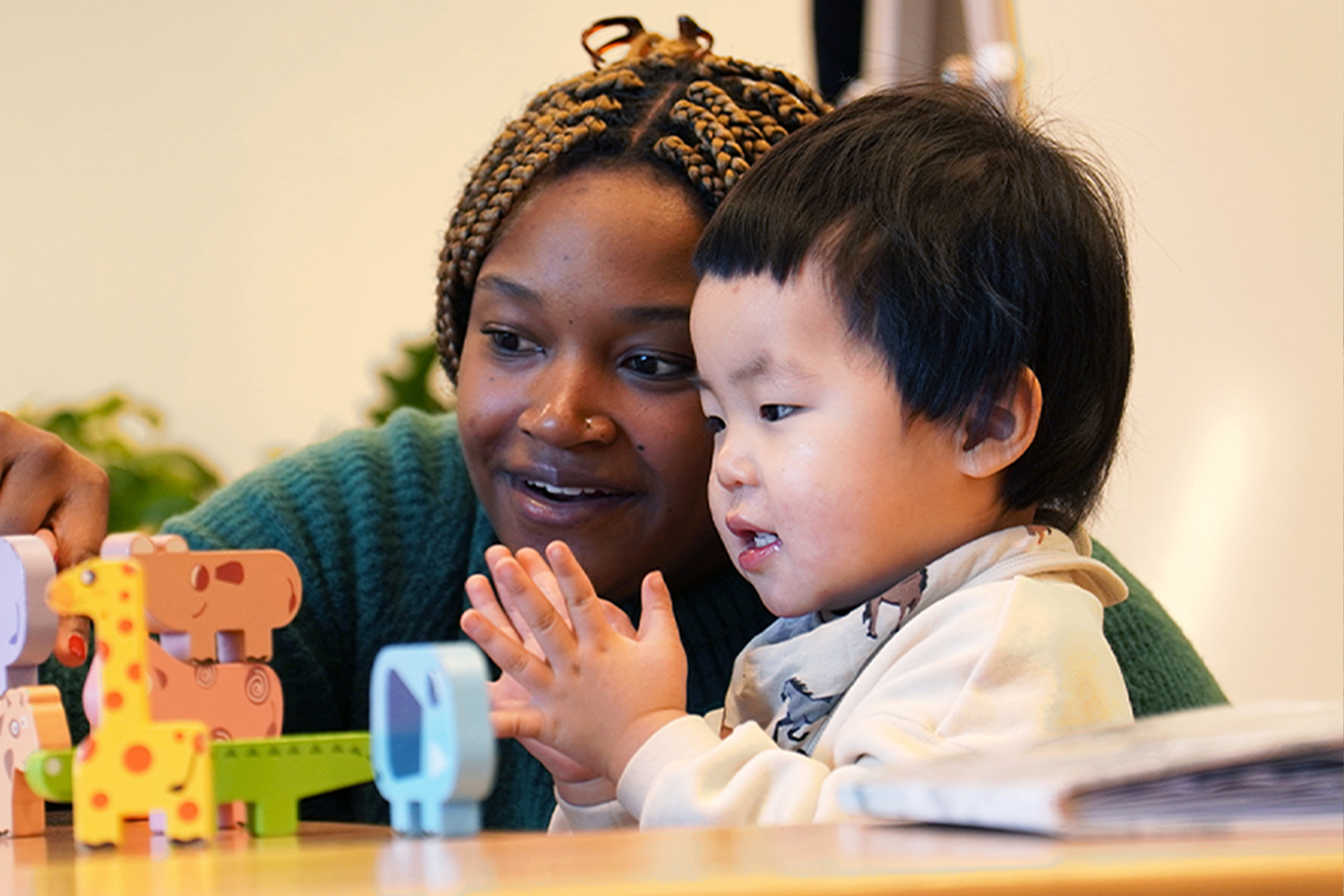
Nursery Twos
Nursery Twos builds on children’s growing language, coordination, and independence through purposeful Montessori work and daily experiences in English, Mandarin, and Spanish.
Explore Nursery Twos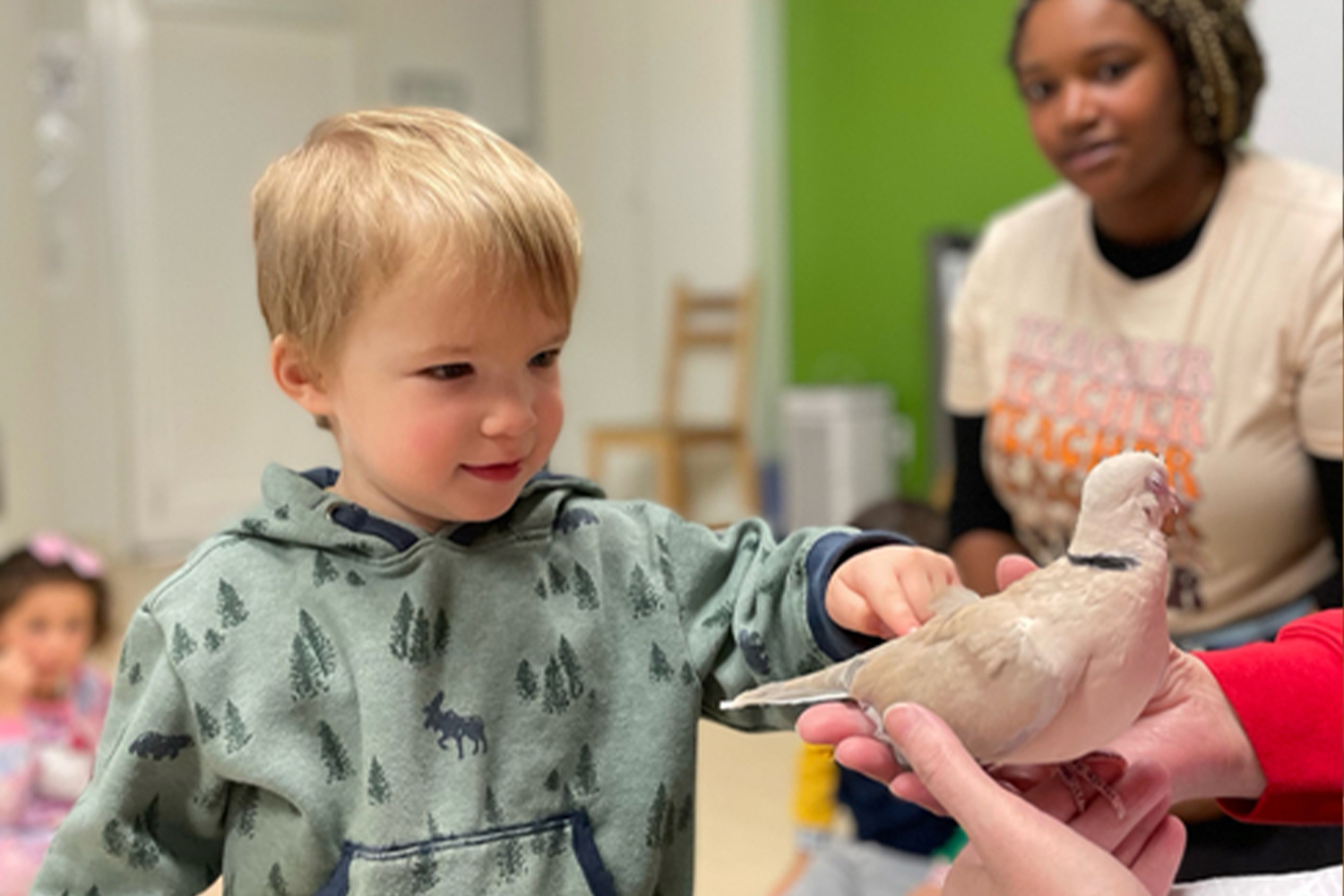
Preschool & Kindergarten
In the mixed-age Casa classroom, children ages 3 through 5 follow an increasingly complex Montessori curriculum while learning in English, Mandarin, and Spanish.
Explore Preschool & Kindergarten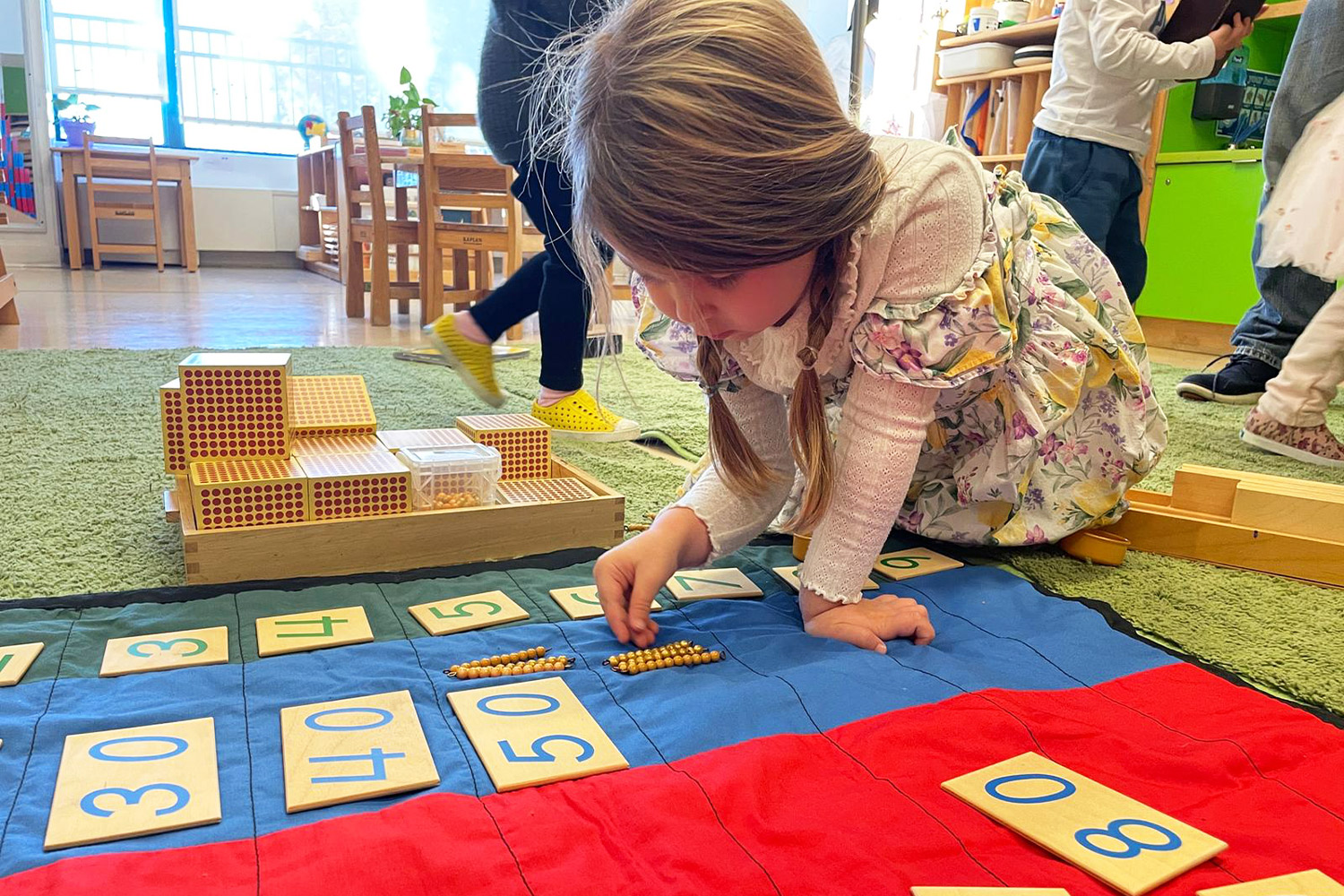
Exmissions Support
As children prepare for the next stage of their education, Battery Park Montessori works closely with families to navigate the exmissions process. Through thoughtful, individualized guidance, families receive support in exploring school options, understanding application requirements, and identifying the learning environment that best fits their child.
Explore Exmissions SupportCasa is BPM’s three-year Montessori cycle for Preschool through Kindergarten. The name comes from Dr. Maria Montessori’s Casa dei Bambini, or “Children’s House,” and reflects the Montessori philosophy of creating a child-centered environment where children grow through independence, purposeful work, and community. The mixed-age structure allows younger children to learn from older peers, while older children deepen their own skills through leadership, responsibility, and mentorship.
Casa is Battery Park Montessori's mixed-age Montessori classroom for Preschool through Kindergarten. Children learn together across a three-year cycle, with increasingly complex Montessori materials and experiences in language and literacy, mathematics, sensorial work, Practical Life, culture, science, nature studies, peace education, and the arts.
Casa brings together children across Preschool and Kindergarten in one mixed-age community. Younger children learn by observing and working alongside older classmates, while older students deepen their skills, take on greater responsibility, and develop leadership by modeling and helping others.
Assessment is ongoing and observation-based. Teachers consider children’s work with Montessori materials, language and literacy development, mathematical thinking, concentration, independence, social-emotional growth, and readiness for increasingly complex work.
Because Kindergarten is the culminating year of the three-year Casa cycle, children build toward increasing independence, leadership, academic confidence, concentration, and responsibility over time. The same classroom environment and materials grow with the child as they progress through the cycle.
Casa 3/Kindergarten is typically the culminating year of Battery Park Montessori's three-year Casa experience, and Battery Park Montessori does not generally enroll new students for this year alone. Families with individual circumstances are welcome to contact Admissions to discuss whether an application may be appropriate.