

Nursery 1s
A nurturing first school experience with trilingual immersion in English, Mandarin, and Spanish.
Introduction
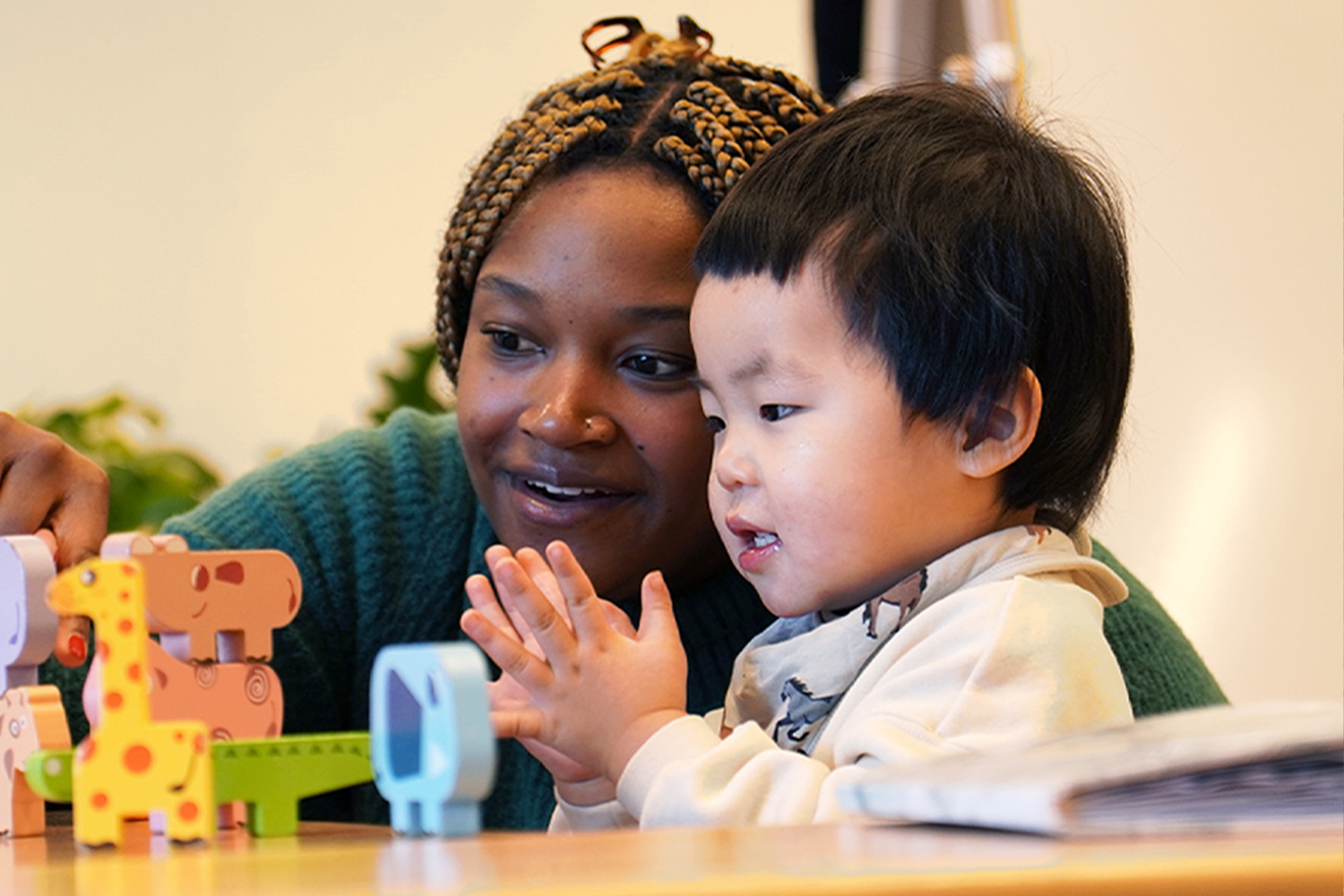
For many children, Nursery Ones is their first experience in a school setting. Battery Park Montessori creates a calm, loving environment where predictable routines and attentive relationships help children feel secure as they move from home into classroom life. Teachers work closely with families and allow each child to settle in at their own pace.
At one, children learn through movement, sensory exploration, imitation, and everyday care. Low shelves, child-sized furnishings, and thoughtfully chosen materials invite them to reach, carry, grasp, sort, and begin doing things for themselves. From the start, they are part of a purposeful Montessori classroom where English, Mandarin, and Spanish are present throughout the day, supporting early communication as children build trust, coordination, independence, and confidence.
Partnering With Families
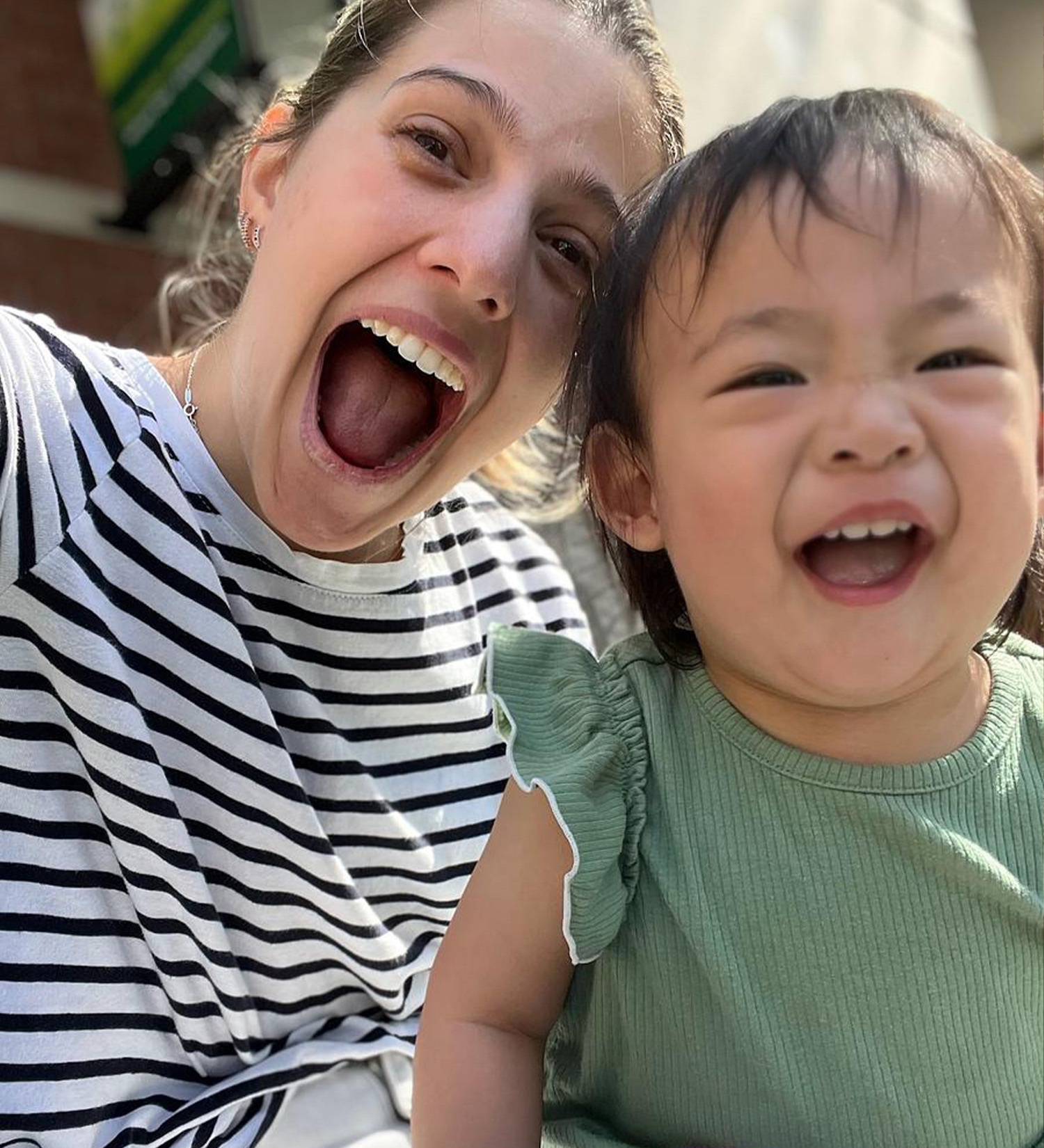
Families are a child’s first and most important teachers. We stay closely connected through classroom updates in Brightwheel, learning documentation in Transparent Classroom, and three scheduled family-teacher meetings each year. Teachers use these platforms to share observations, photos, and meaningful moments while keeping their attention on children during the school day.
Families are also invited into classroom life. Parents may visit classrooms, volunteer on field trips, and join Work With Me sessions at scheduled times throughout the year. During these sessions, parents come at the beginning or end of the day to work alongside their child in the classroom.
Trilingual Immersion
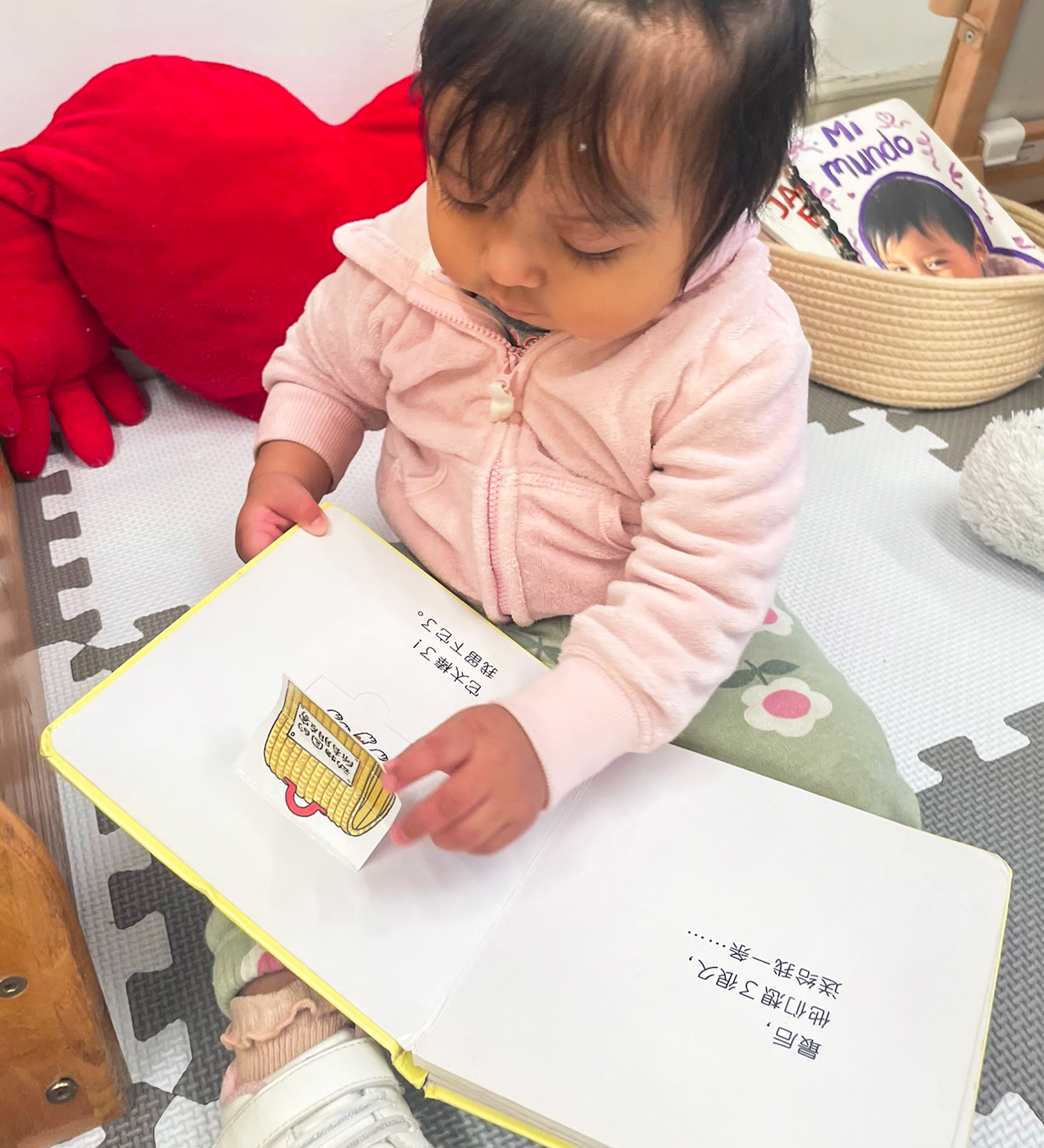
Each classroom includes Montessori-trained teachers who use English, Mandarin, and Spanish. Each teacher consistently uses one designated language, allowing children to connect all three languages with familiar people, objects, actions, and experiences throughout the day. This consistency helps children build natural associations between each teacher and each language through songs, stories, routines, conversation, and play. The focus at this age is familiarity, listening, and joyful participation, creating a strong foundation for later language learning.
Our Montessori Approach
Montessori shapes both the classroom environment and the rhythm of the day. Children have access to carefully chosen, child-sized materials that support movement, concentration, coordination, language, and growing independence. They are given time to choose, repeat, practice, and master experiences at their own pace.
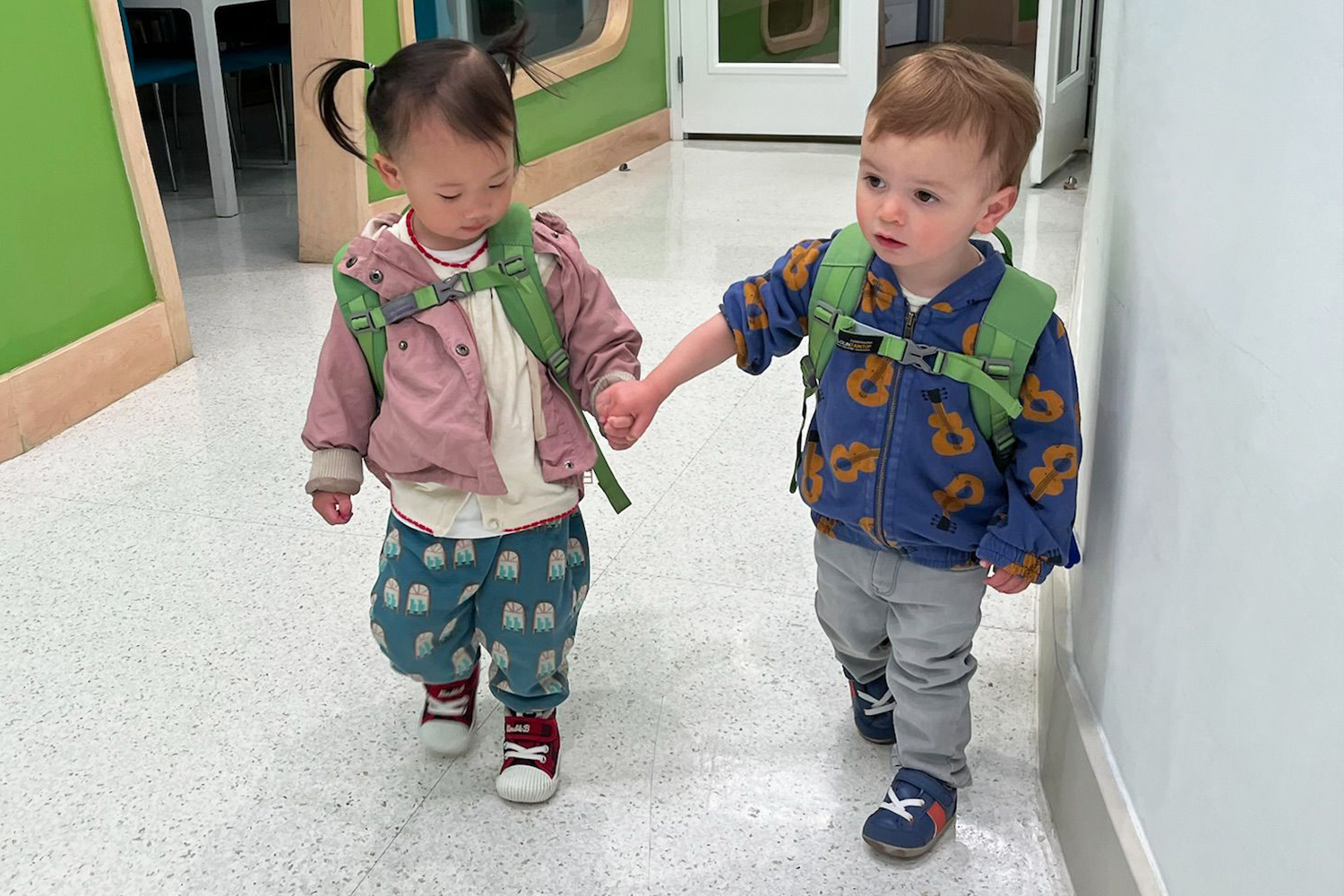
Practical Life is an important part of the program. Activities such as pouring, wiping, spooning, sweeping, washing, and caring for the classroom help children strengthen fine and gross motor skills while developing focus and confidence in what they can do for themselves. For example, one-year-olds learn to put on their own jackets and backpacks, building independence, confidence, and coordination as they prepare for dismissal.
Social-Emotional Learning
Social and emotional learning happens throughout the day as children begin to express their needs, recognize feelings, build relationships, take turns, and participate in a group. Teachers model language and behaviors that help children navigate these early social experiences with increasing confidence.
Grace and courtesy are part of this work. Children learn to care for themselves, one another, and their environment through everyday routines and interactions, building kindness, empathy, respect, responsibility, and a growing sense of community.
Sample Schedule
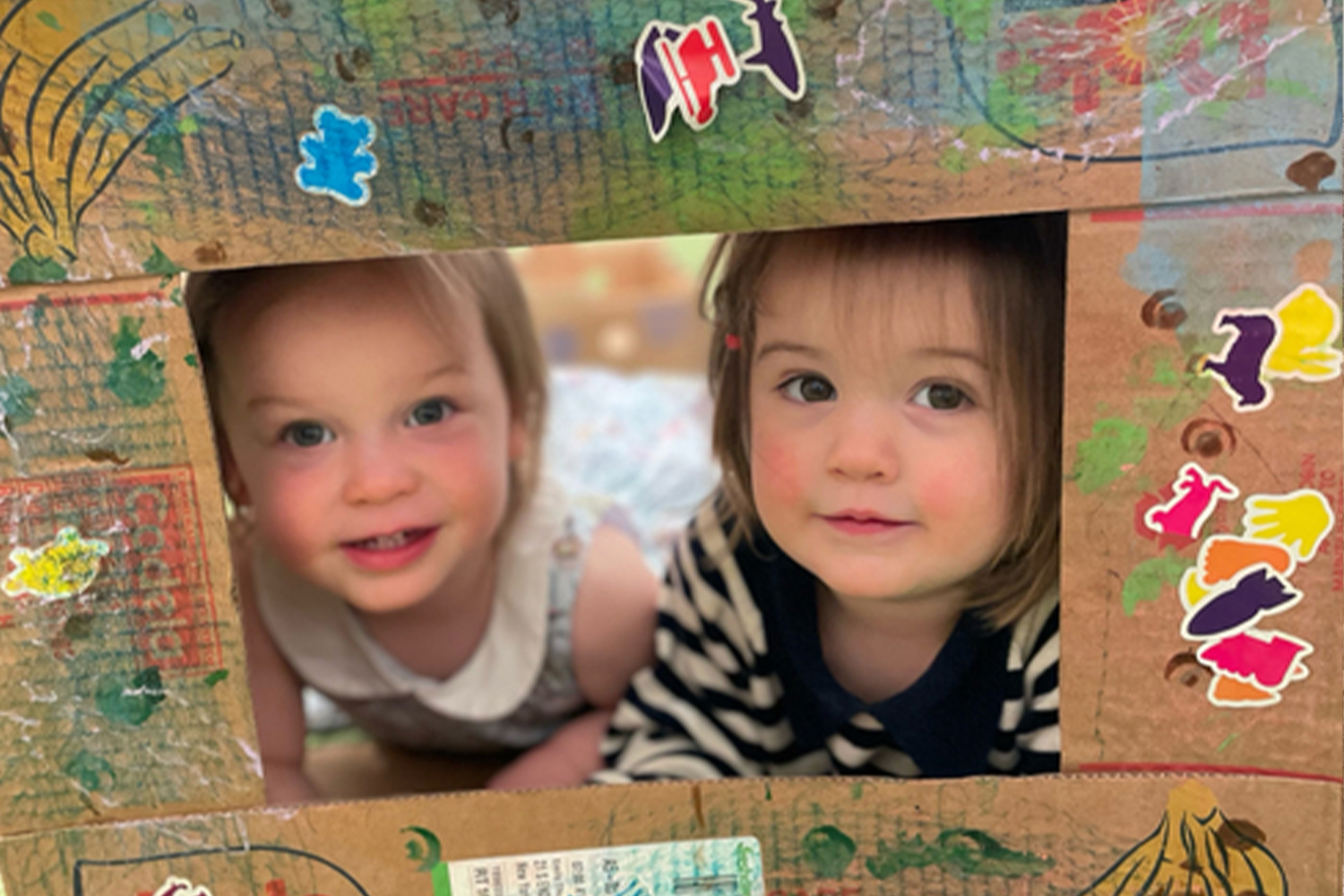
Young children feel secure when the day has a gentle, predictable rhythm. Each day includes warm arrivals, morning meeting, individual and small-group lessons, uninterrupted time for work and exploration, practical life activities, music and movement, meals, rest, and peaceful transitions.
Next Step: Nursery 2s
Nursery Ones
A gentle first school experience helps children build trust, coordination, and growing independence through hands-on Montessori work and early exposure to English, Mandarin, and Spanish.
Explore Nursery Ones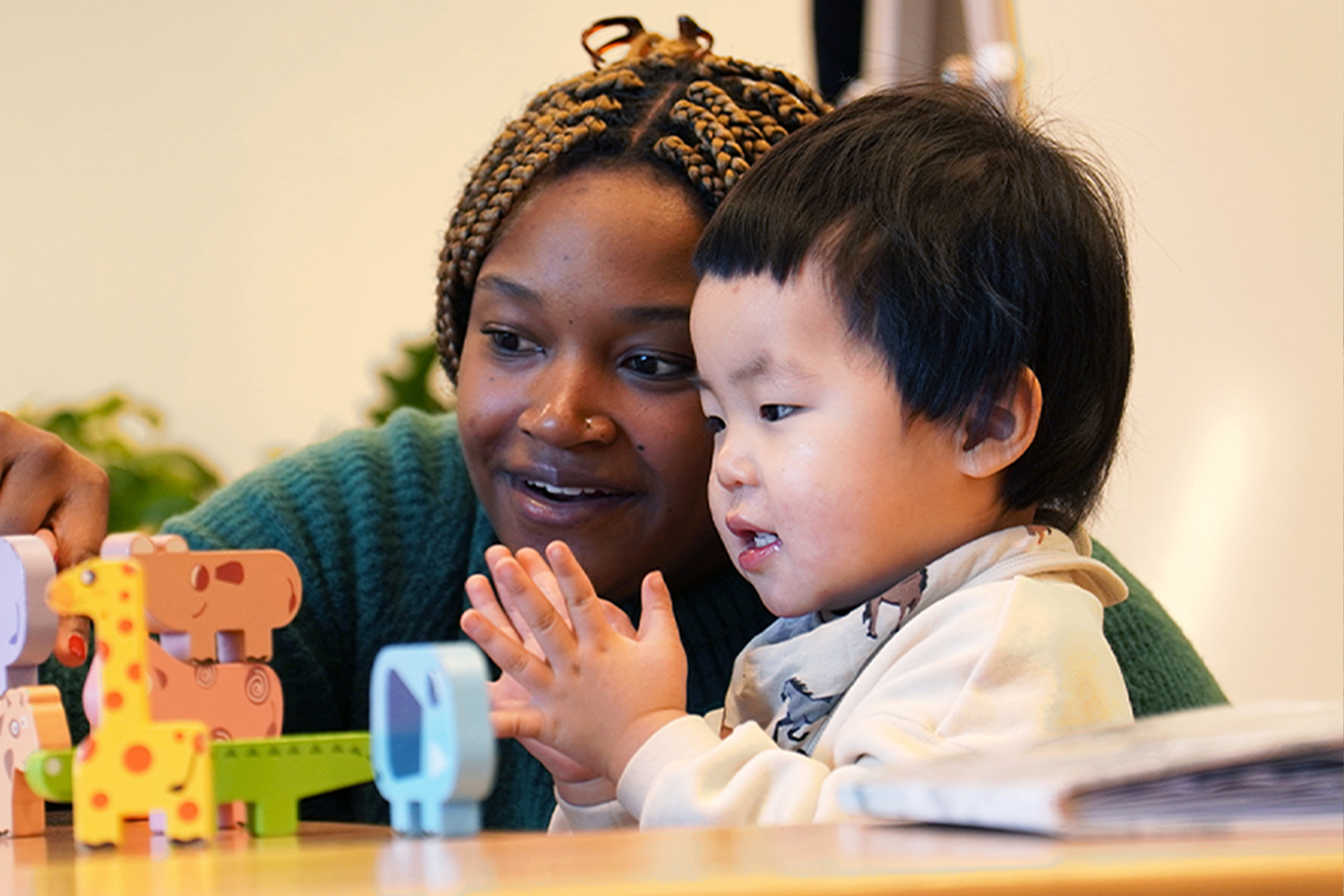
Nursery Twos
Nursery Twos builds on children’s growing language, coordination, and independence through purposeful Montessori work and daily experiences in English, Mandarin, and Spanish.
Explore Nursery Twos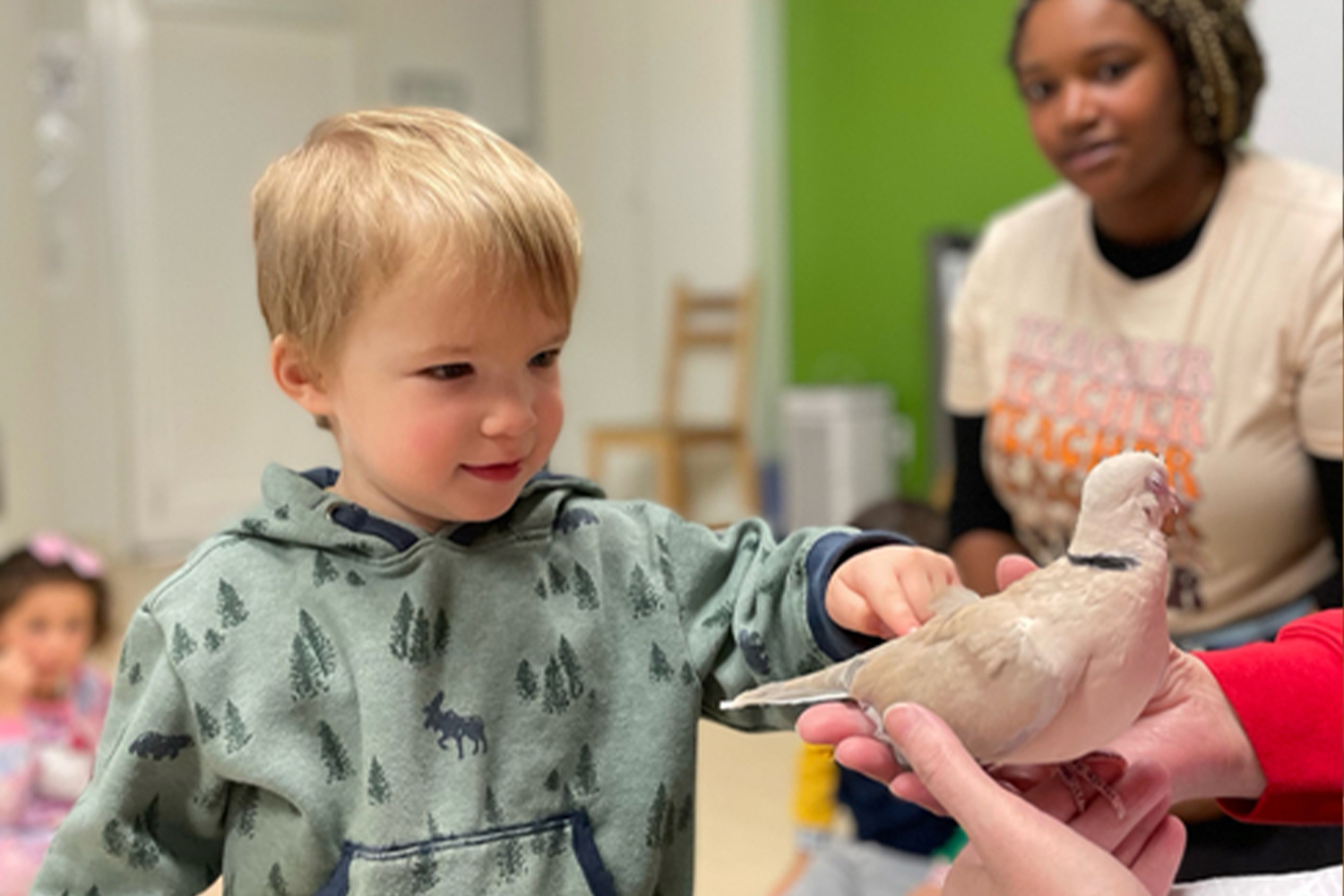
Preschool & Kindergarten
In the mixed-age Casa classroom, children ages 3 through 5 follow an increasingly complex Montessori curriculum while learning in English, Mandarin, and Spanish.
Explore Preschool & Kindergarten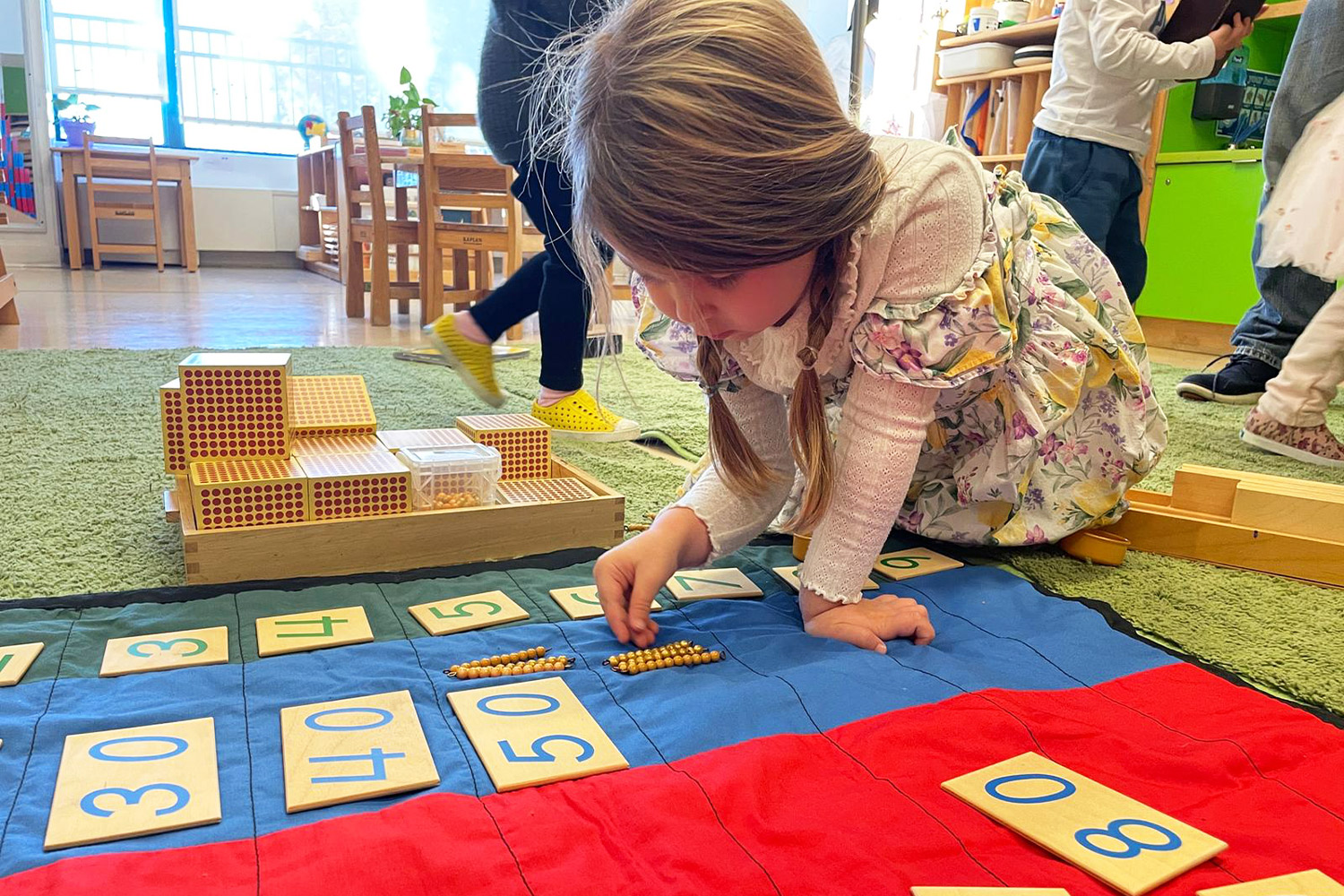
Exmissions Support
Individual guidance helps families understand New York City school options, build a thoughtful school list, and navigate the application process as their child prepares for what comes next.
Explore Exmissions SupportBattery Park Montessori's Nursery program includes Nursery Ones and Nursery Twos in a Montessori, trilingual environment. Children build trust, communication, movement, independence, concentration, and confidence through relationships, routines, purposeful work, and exploration.
The day follows a predictable rhythm that includes arrival, group gathering, uninterrupted work and exploration, individual and small-group lessons, Practical Life, language experiences, music and movement, meals, rest, outdoor time, and gentle transitions.
Battery Park Montessori uses a gradual phase-in process so children can separate from caregivers and adjust to classroom routines at a calm, developmentally appropriate pace. Before school begins, families also have opportunities to connect with teachers and help children become familiar with the school environment.
Yes. Battery Park Montessori offers both half-day and full-day enrollment for Nursery Ones and Nursery Twos. Half-day students dismiss before lunch, while full-day students continue through lunch, rest, afternoon activities, and dismissal. Current schedules and tuition are available on the Tuition page.