

Student Well-Being
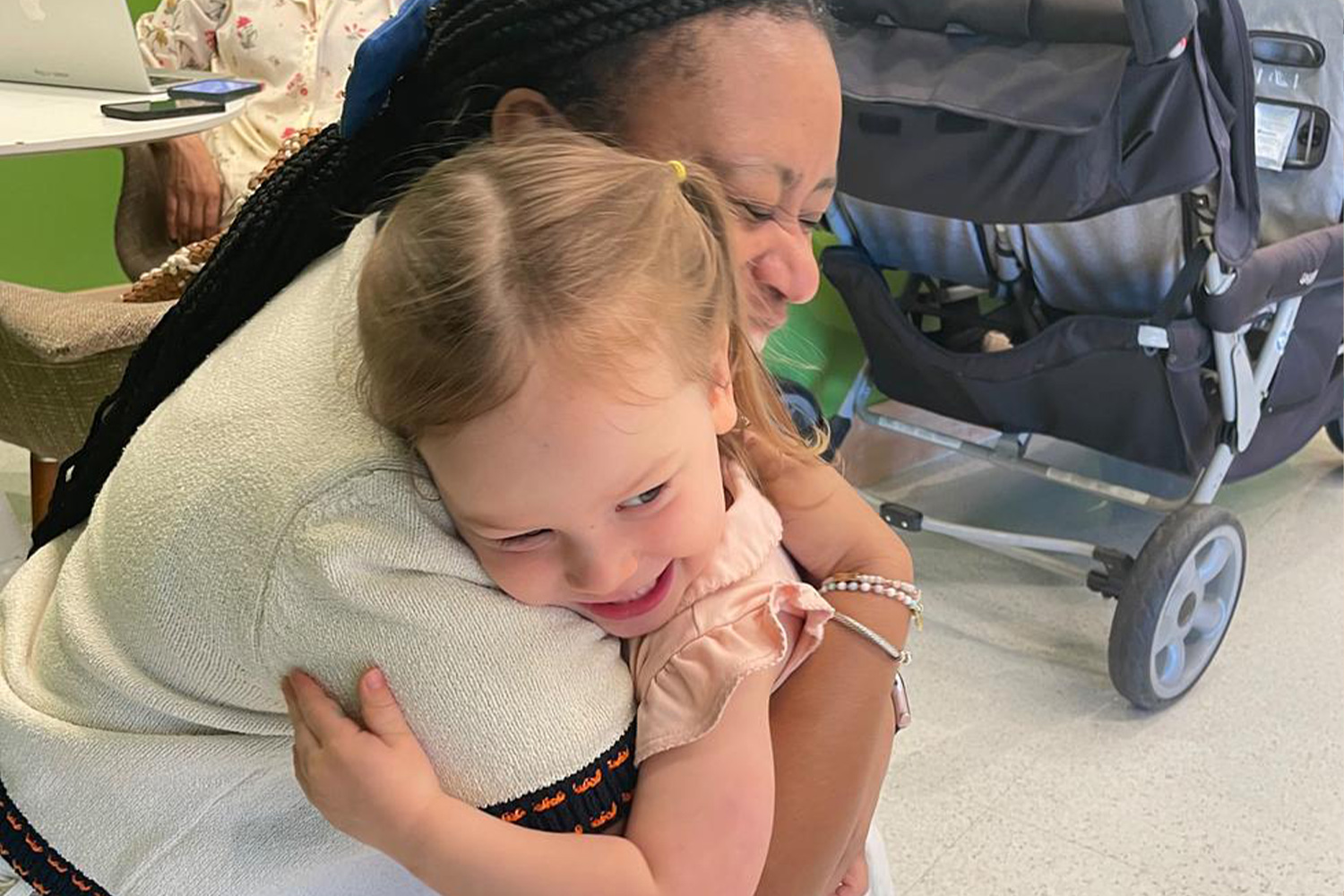
Children learn with confidence when they feel secure, understood, and capable of taking part in the life of their classroom.
Belonging and Community
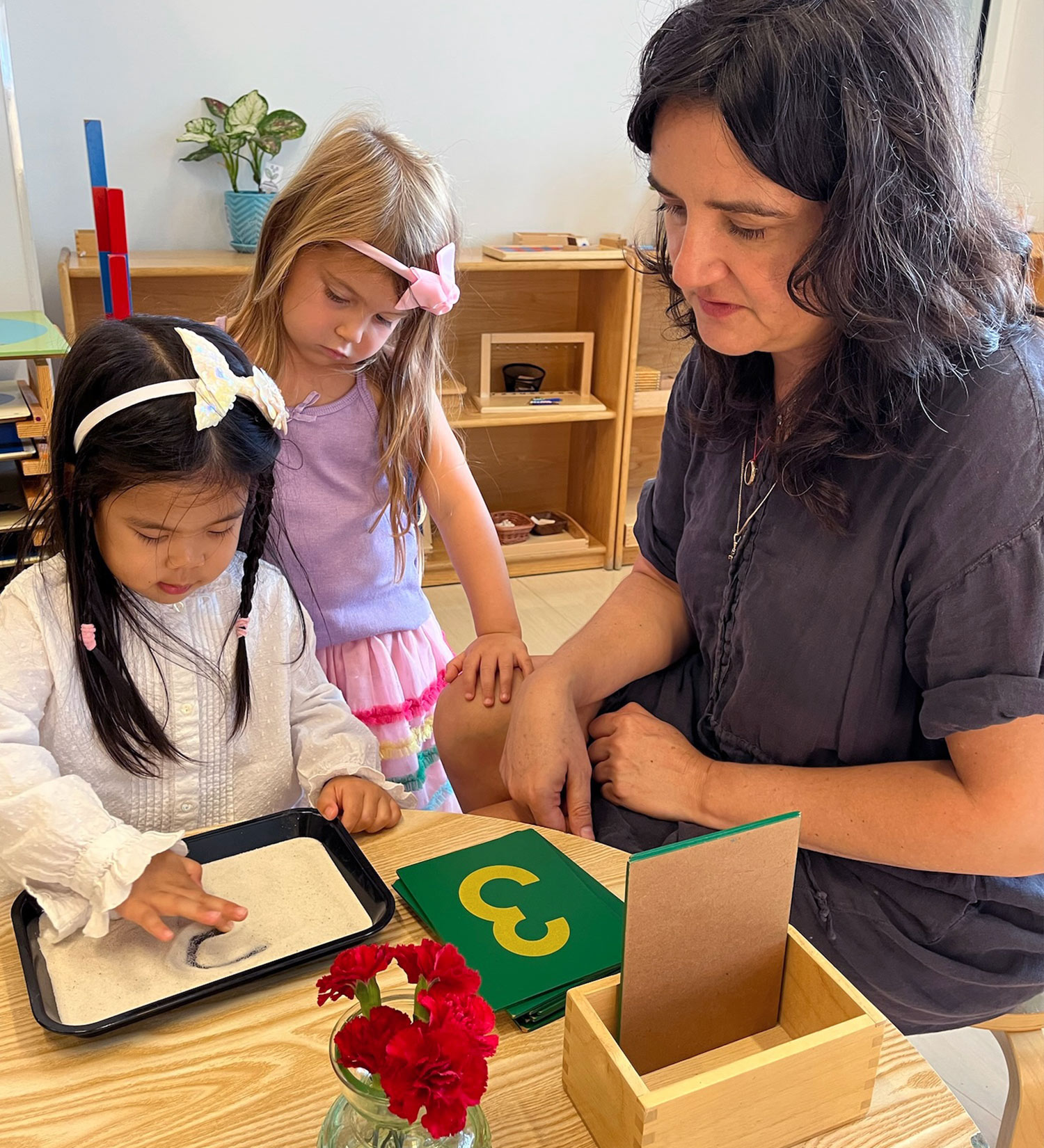
Children develop social skills through daily interactions. They practice greeting others, taking turns, joining play, observing without interrupting, offering help, setting boundaries, and caring for shared materials. Teachers help children navigate conflict and understand how their actions affect others. In Casa, Grace and Courtesy and Peace Education deepen this work through naming problems, listening to different perspectives, and finding constructive solutions.
Independence and Self-Care
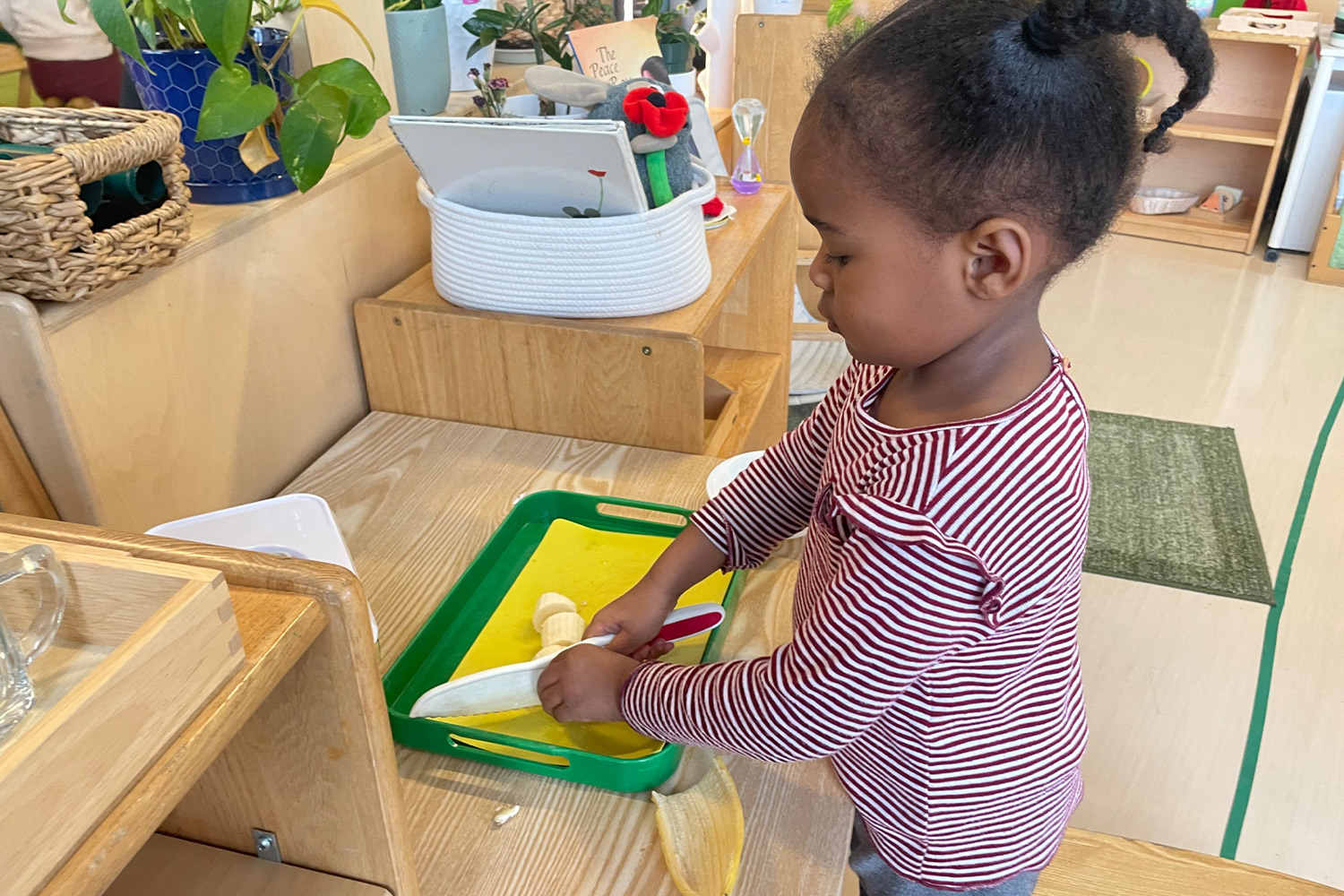
Everyday routines such as eating, dressing, handwashing, making food, cleaning, and organizing belongings give children meaningful ways to care for themselves and their classroom. Teachers demonstrate each task in clear steps, provide child-sized tools, and allow plenty of time to practice. Children are encouraged to try what they can independently and learn to ask for help when they need it.
Time Outdoors
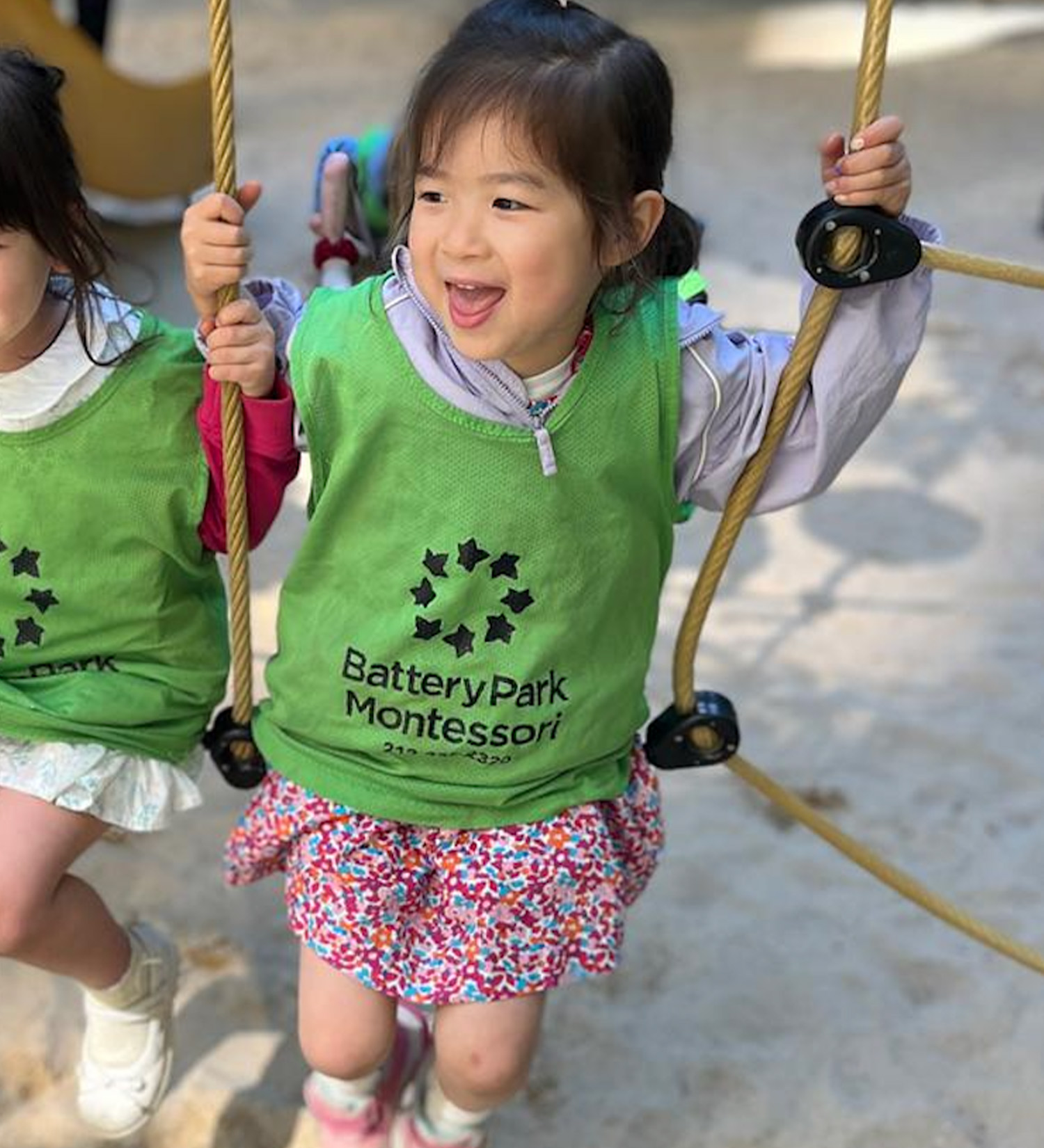
Outdoor time gives children space for larger movement, sensory observation, conversation, and play. Teachers use the patio and neighborhood environment in age-appropriate ways, adjusting routines when weather, children's needs, or nearby construction require it.